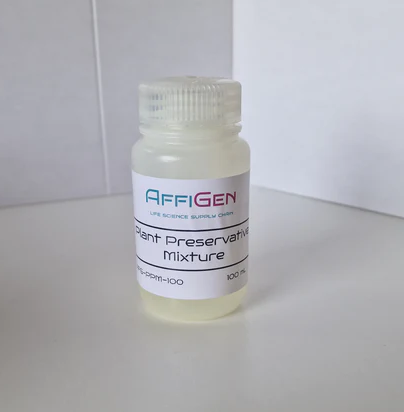
Plant Preservative Mixture (PPM)
Plant Preservative Mixture (PPM), is a broad-spectrum biocide/fungicide for plant tissue culture. PPM™ is the ultimate solution to the never-ending struggle against microbial airborne, waterborne and endogenous contamination.
Plant preservation mixtures are formulated solutions designed to extend the lifespan and enhance the appearance of cut flowers, foliage, or other plant materials. These mixtures typically contain various ingredients that help prevent wilting, inhibit microbial growth, and provide essential nutrients to the plants.
Here are some commonly used components found in plant preservation mixtures:
- Water: Water is the primary component of plant preservation mixtures, providing hydration to the plant material and maintaining its turgidity.
- Floral Preservatives: These are commercial products specifically formulated to prolong the life of cut flowers. Floral preservatives typically contain a combination of water, carbohydrates (such as sugars), biocides (to inhibit microbial growth), pH regulators, and other additives that promote water uptake and hydration.
- Biocides: Biocides, such as bactericides and fungicides, are added to plant preservation mixtures to prevent the growth of harmful microorganisms, including bacteria and fungi. They help reduce the chances of infection and decay.
- pH Regulators: pH regulators are used to adjust the acidity or alkalinity of the plant preservation mixture. Maintaining an optimal pH level helps improve water uptake and nutrient absorption by the plant material.
- Nutrients: Some plant preservation mixtures contain added nutrients, such as commercial flower food packets or homemade mixtures that include components like citric acid, bleach, or vinegar. These nutrients provide essential elements, including carbohydrates, vitamins, and minerals, to support the plant material's metabolic processes.
- Ethylene Inhibitors: Ethylene is a natural plant hormone that accelerates the aging process and senescence of cut flowers. Some plant preservation mixtures include ethylene inhibitors, which help slow down the production and effects of ethylene, thus prolonging the freshness and lifespan of the plant material.
Building Castle in Cloud
When designing an architectural concept, we take into account the nine criteria that Zumthor considers to be important in creating an architectural atmosphere.

Building Castle in Cloud
When designing an architectural concept, we take into account the nine criteria that Zumthor considers to be important in creating an architectural atmosphere.